
How do I prepare for a Yoga Retreat?
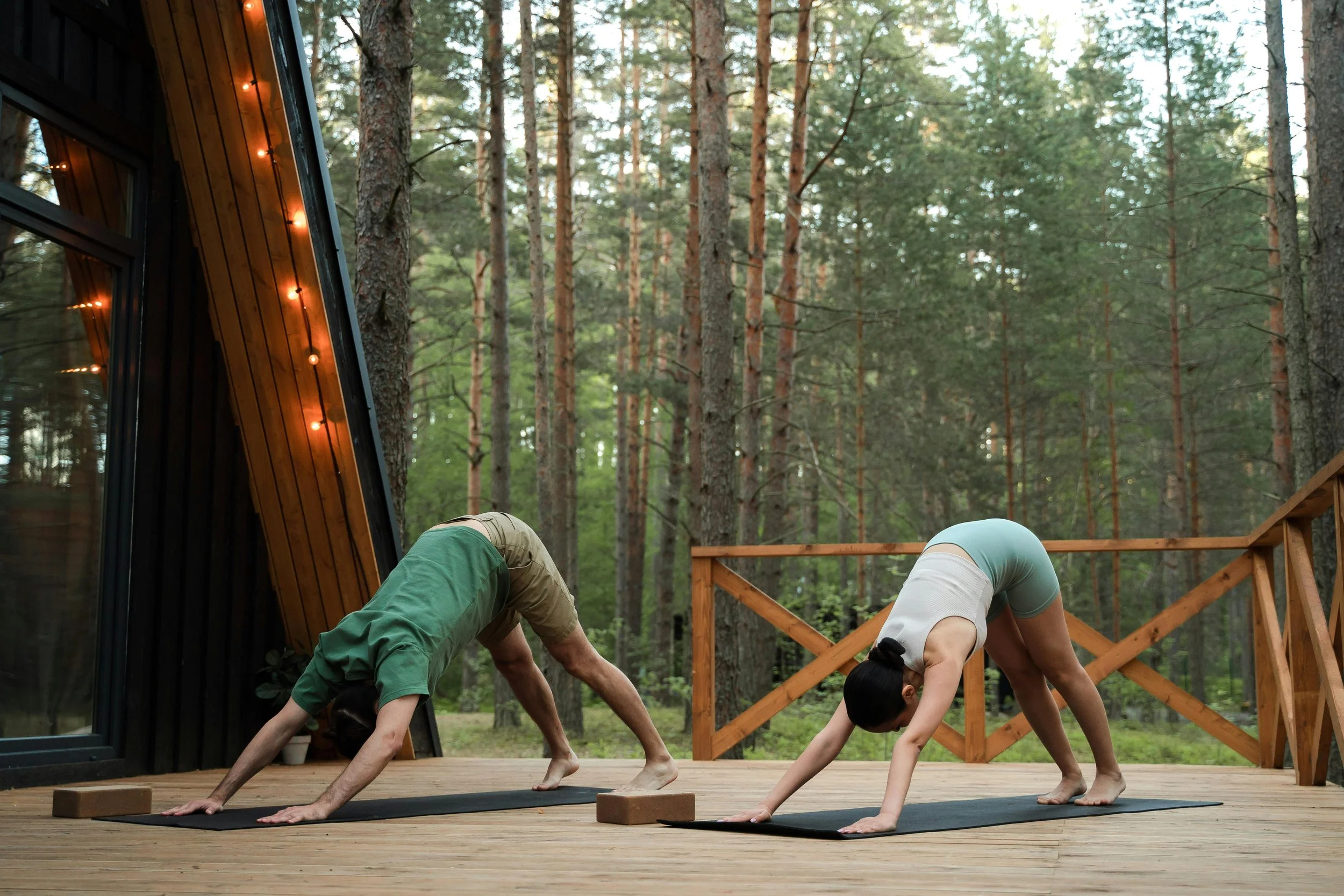
You’ve finally committed to going on a yoga retreat…..now what!? Ideally you are not going in blind. You will get lots more out of your retreat if you are familiar with your guides/teachers. Go practice with your teacher regularly. This will deepen your connection with them, facilitate instructions during practice, and set your expectations properly.
Do your research about the retreat itself: find out about the accommodations, local food, activities, transportation, transfers, etc. Nothing beats direct research for your own knowing. With platforms like Yelp, Google, and TripAdvisor, you can learn about lots of hidden things to maximize your trip. Make sure you connect with retreat directors to get an itinerary and planned agenda too.
Food
It can make or break your retreat. Every retreat is different, so make sure that they can accommodate any alternative eating preferences and that you will have plenty of choices. I do not do well when I’m hungry. My retreats have a big culinary focus, so no worries here! In case you are prone to specific diets or items, consider bringing what you might need on your trip.
Packing
Less is more and pack smart! Clothing will be based on the type of retreat. Remember that this is not a fashion show, it’s an experience. Leave room to buy local goods and support local economies! Know where you are going to practice: that will help you determine the best yoga props to bring. Immersive retreats, for example, have studios with full equipment, but I still like to bring my own mat. Destination and cultural retreats have varied spaces, so the right mat is key. Connect with your director to develop a plan. Generally, I suggest a thick block and strap as well. Often buying low-cost props and donating them to the last location frees up space and can provide a benefit to the location. A few must-haves for me: eye mask, bug spray, ear plugs, battery pack, activated charcoal pills, bathing suit, hat, eyewear. Keep your body healthy before, during, and after. Other than technology and work patterns, keep your system running smoothly. Plan to sleep, eat, and nourish yourself as normal. Don’t overdo it before, during, or after. Allow your system to have a cushion to experience the retreat fully.
Mindset
Be open.
I have found it especially true that you will get exactly what you need, if not exactly what you want. It’s great to do research and plan, but be open and flexible to changes. Sometimes schedules change, weather does not cooperate, people have emergencies: stay open and trust in the process. This is probably the hardest and most valuable part of the journey. A positive and flexible mindset will set you up for a wonderful experience regardless of what happens. That doesn’t mean that there won’t be moments of discomfort, it simply means that you will be better equipped to navigate change with minimal internal disruption. It’s also important to recognize that you are not going alone (at least not on my retreats). Other people will be there, and they will be different than you. They have similar interests and patterns, or they would not be there, but everyone will bring their own energy to the retreat. This exchange of energies and personalities is one of the key elements to a retreat. New friends, new people, new perspectives, new ideas, new thoughts, new you.
Trust the process.
And if all goes to hell, remember that the worse the experience, the better the story!