
Practicing With Injuries
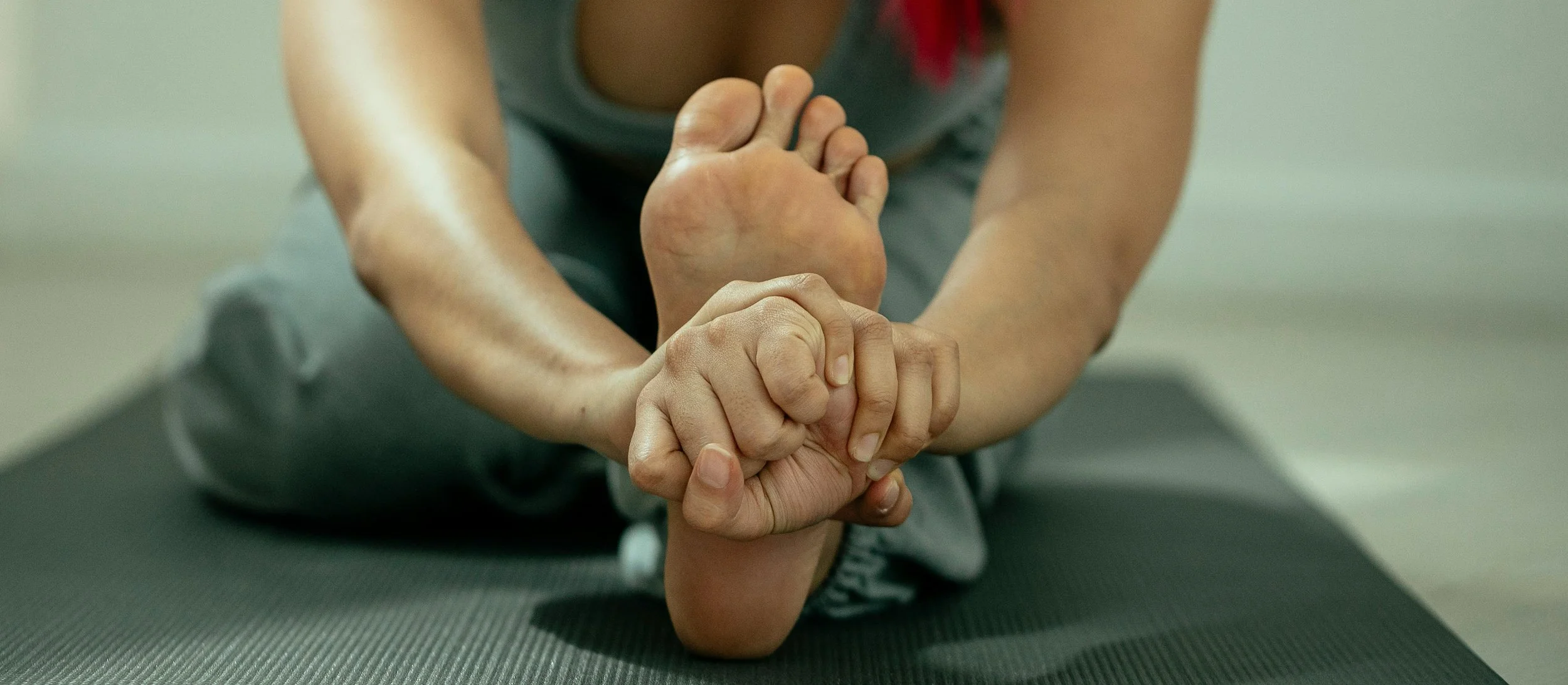
They say there is no greater teacher than practicing with an injury. And to be honest… this is a mouthful of truth.
No one likes being hurt. We work to be independent, stronger, and self-reliant. It is often the case that an injury creates a limitation: less strength, less flexibility, less range of motion, etc. An injury pokes holes in our ego, our need to be strong, independent, and capable.
At the beginning of every class, I screen the room for injuries. Almost always, no one says a thing, and when practice is well underway, I spot injuries through movement. Perhaps people don’t feel comfortable speaking up in front of a group; maybe they don’t want to be vulnerable to me or themselves. It is only when there is a solid relationship between teacher and student that a practitioner is willing to share their injury privately or publicly.
I must admit doing the exact same thing. Hamstring tear… no problem, I can still practice! I’m not willing to lose all my progress and my daily fix of yoga! If this sounds familiar, then you too have practiced with injuries. This mindset demonstrates a lack of trust and confidence that my teacher cannot support me in this state. It also elucidates the fragility of my ego as to the physical condition of my practice. As if somehow holding a handstand with an injured wrist will make my life better.
I tended to do this type of forced practice more when I was younger. Thirsty to see results in strength and flexibility, I would sacrifice my body regularly. I would “push through” pain, convincing myself it was only discomfort. I would violate the trust my body placed in me, and in return, it would almost inevitably lead to bigger injury or even a shutdown.
I am proud that my practice has shifted considerably in relation to injuries. Our body is a temple, and it needs constant maintenance. Sometimes things shift, crack, crumble, even break. This is part of being alive. It is more beneficial to think of injuries not as limitations, but as teachers. Almost always, our injuries are highlighting an area that needs our attention: am I pushing too hard, flexing too deeply, overdoing capacity, ignoring my body, resenting my body, etc.
When our ego is released from the context of an injury, we can receive feedback without feeling triggered or resentful. Supporting your body through an injury with modifications and alternatives strengthens the guidance that there are many paths that all lead to the same place. It is a reminder that a physical practice is not an achievement; it is a journey. And like many things in life, the journey is not a straight line!
If you’re injured, go to a teacher you trust and speak to them before you practice. Be specific about the injury so that they may provide you the support of a qualified professional. Be open to all feedback and, most importantly, listen to your body. Truly listen. Treat yourself the way you would your best friend if they were hurt. Appreciate rest and recovery as part of your practice, allowing your body to heal and feel loved.
And if you have to take time off from a physical practice, remember that there are infinite numbers of ways to practice if the mindset is correct. Yoga offers pranayama, meditation, chanting, and even pilgrimages as a dedicated form of practice.
If you need guidance and support during a time of injury and challenge, please reach out.