

Insights
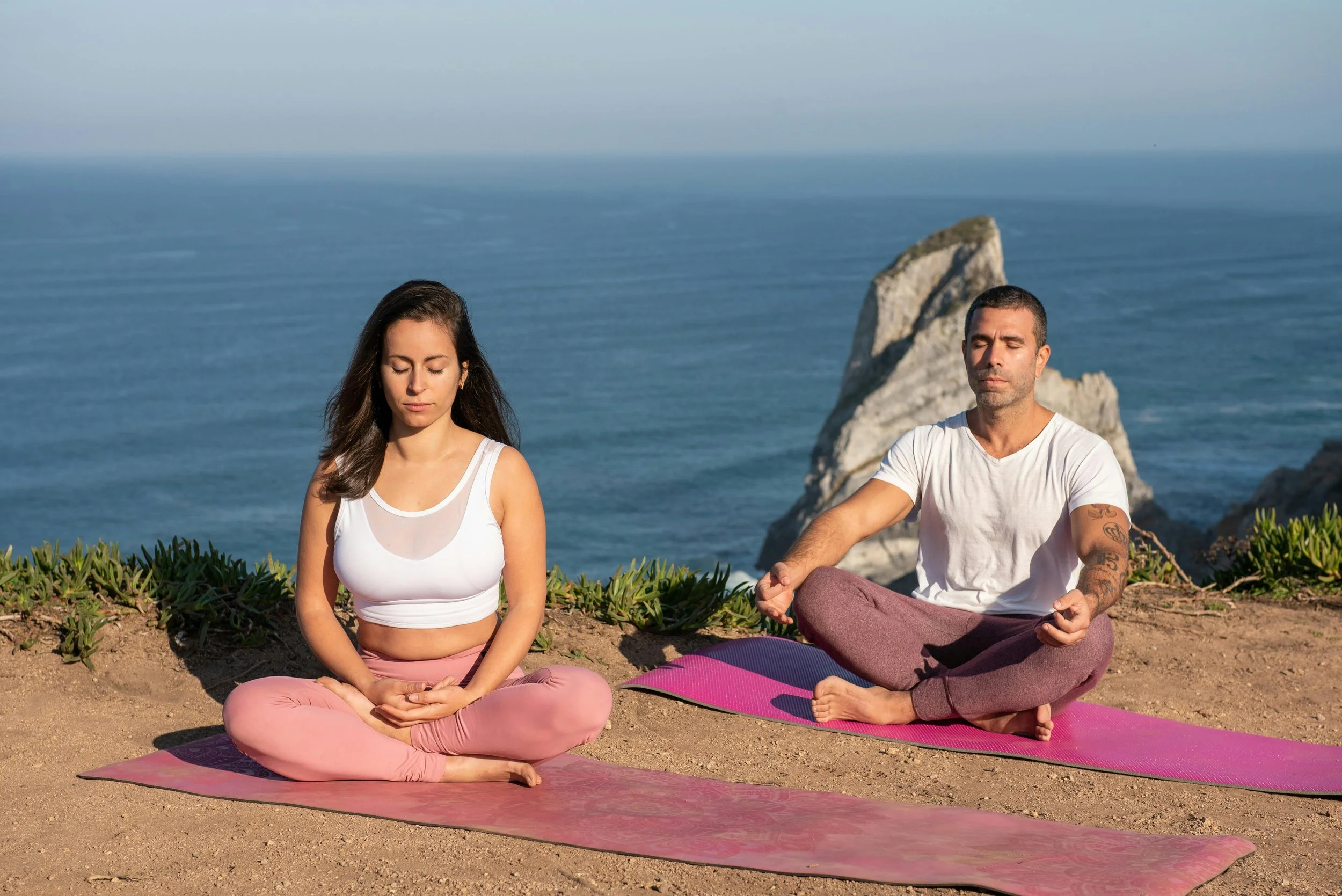
What Are The Benefits of Going on A Retreat?
When I received my first 200 hour yoga certification, it was done classically. It was thought of as a full time commitment. I was expected to attend 5-6 days a week for 8 hours a day. Additionally I had to be vetted for the training, commit to extracurriculars for the training, study and pass exams. In other words, it was almost impossible to do anything other than training. I was immersed in the study of something I loved and wanted to learn. The effect was transformative; a whole new world was opened and a new life and path was forged.
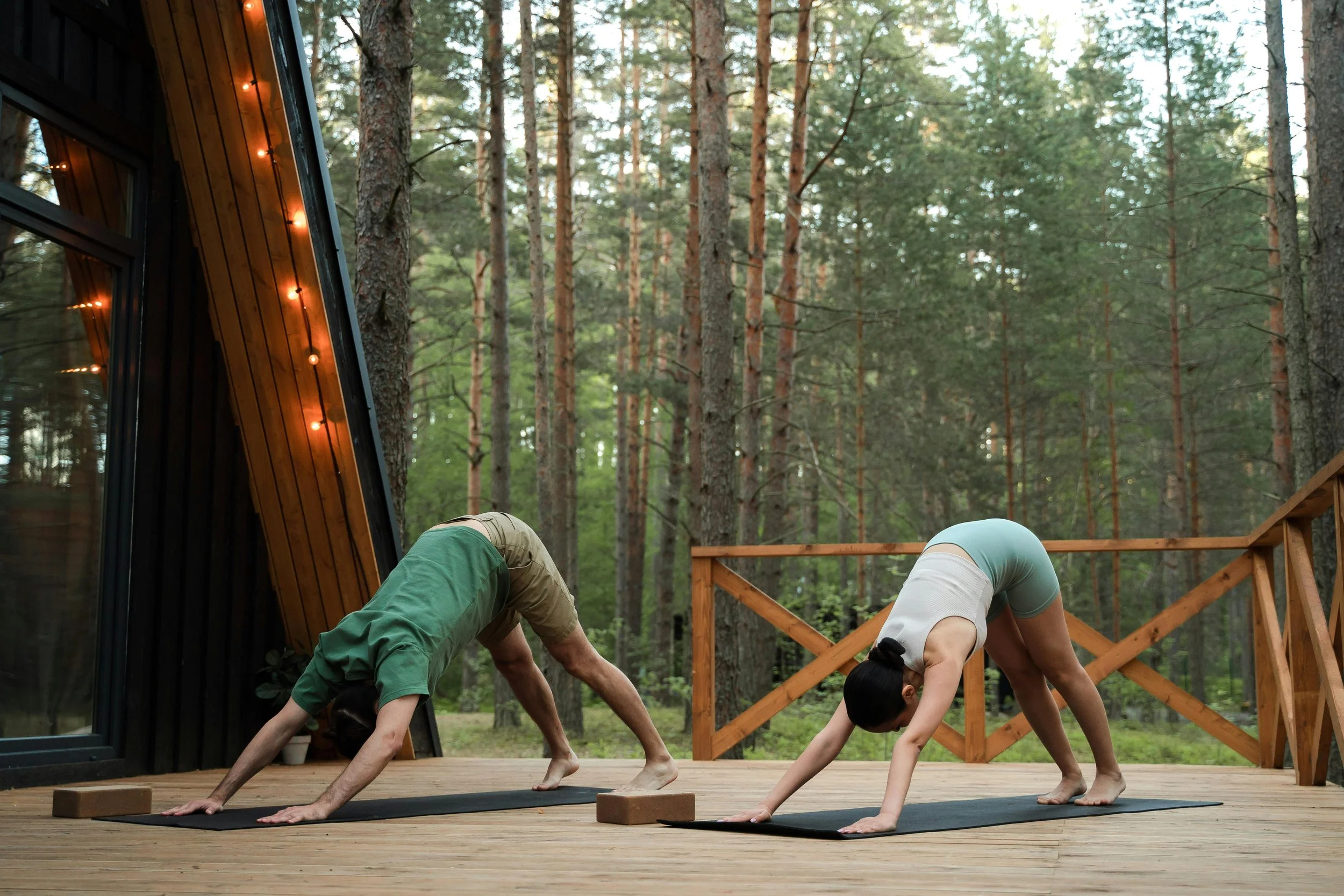
How do I prepare for a Yoga Retreat?
You’ve finally committed to going on a yoga retreat…..now what!? Ideally you are not going in blind. You will get lots more out of you retreat if you are familiar with your guides/teachers. Go practice with your teacher regularly. This will deepen your connection with them, facilitate instructions during practice, and set your expectations properly.

Distinguishing Between Yoga Retreats: Cultural, Social, and Immersive
In my youth, I would go on retreats and pile into yurts with a sleeping bag, eating vegan food and being hungry, but still practicing 3–4 times a day with a teacher I admired. At my age… this is no longer the case. Know who you are and be honest with yourself about how you travel.